Traditional Leadership

Leadership Styles in Christian Ministry

Leadership Style 01

Traditional Leadership

This style has a great sense of history, values and continuity with the past. In this context, such a Leader sees his responsibility primarily in terms of handing on intact through ministry of Word and the historic riches of the Faith. The members of this community, the laity, depend on the hierarchy—Bishops, Arch Deacons and priests for guidance.

This style was particularly suited to an age where there was little change taking place in society, but its weakness today is its failure to adapt to a fast-changing world.

Traditional leaders faithfully expound the deposit of Faith that has been entrusted to them and which must be handed on to each generation.

"And the things you have heard me say in the presence of many witnesses entrust to reliable men who will also be qualified to teach others." (2 Timothy 2:2)
"Guard what has been entrusted to your care." (1 Timothy 6:20)

Traditional leaders are generally weak on relating the historic faith to the world of today. Their teaching programs often focus on theology and doctrine without addressing the practical questions and challenges that arise in the minds of modern believers.

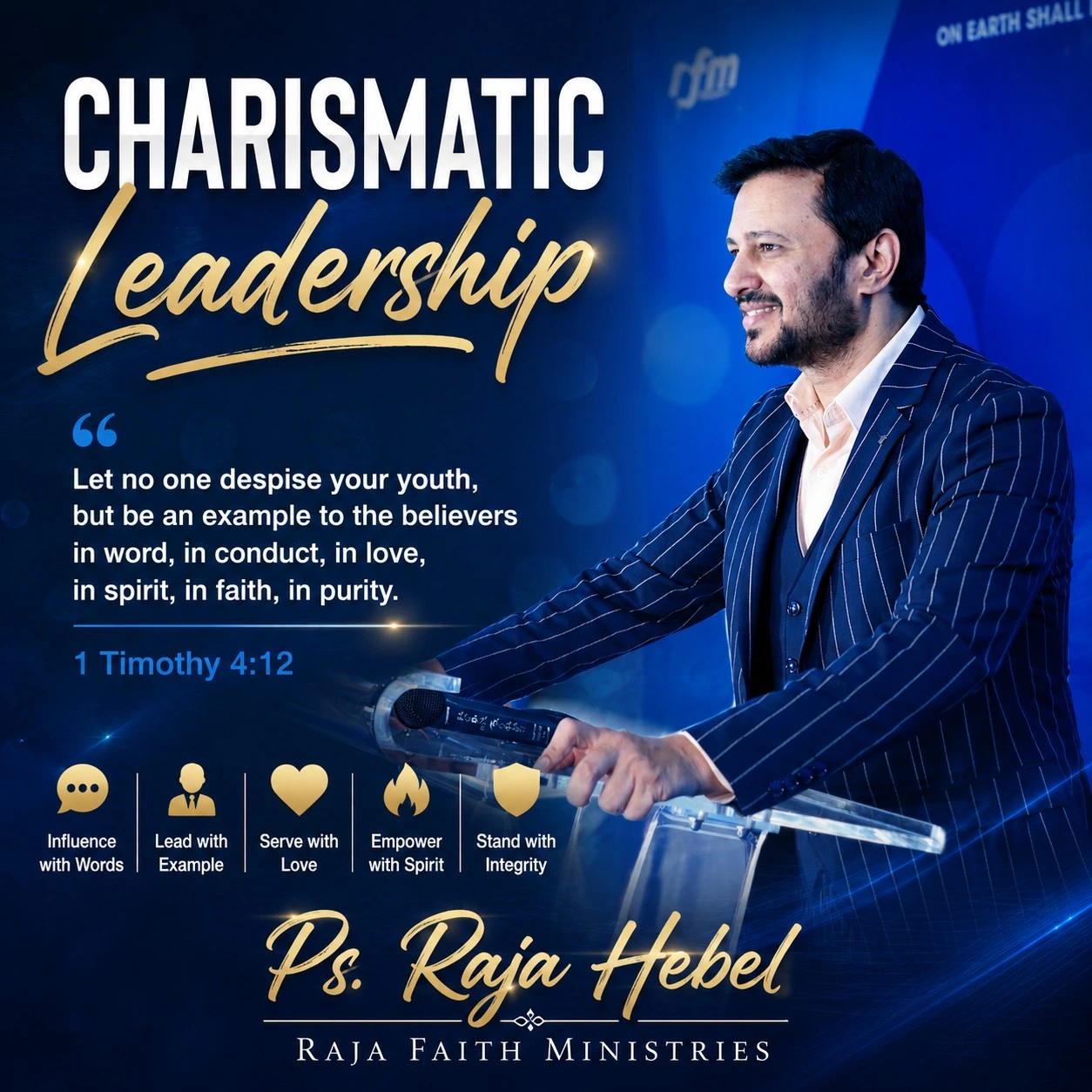
Charismatic Leadership
Leadership Style 02

Charismatic Leadership

The Charismatic leader is very different. His emphasis is on breaking with the past in order to move in new directions.

The word "charismatic" is used here in a sociological rather than a spiritual sense. It describes a magnetic personality whose leadership is spontaneous and whose decisions arise from intuition or from a special sense of calling rather than tradition.

People follow such a leader because they are attracted by his life, message, methods and vision. Their support, however, cannot be taken for granted if that attraction fades.

As long as the charismatic leader is accepted within an organization, it often appears successful. True success, however, should be measured by the maturity and development of future leaders rather than merely by the number of followers.
Classical Leadership
Leadership Style 03

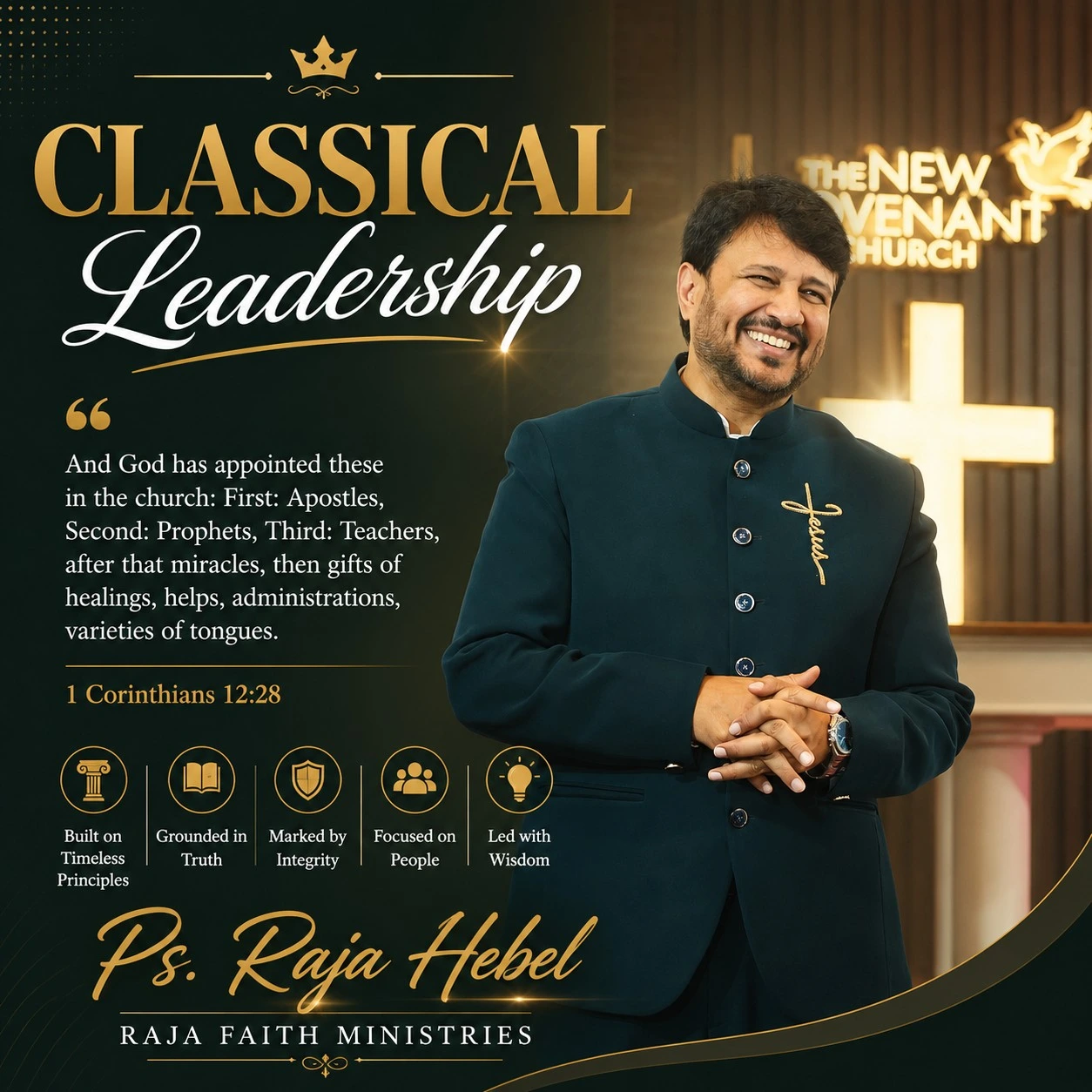
Classical Leadership

In this style of leadership, initiative comes from the top while responsibilities move throughout the organization to ensure every member performs the assigned task.

It resembles a pyramid with clear authority, good organization, planning and discipline. Such leadership minimizes confusion and promotes order.

Administration itself is also a ministry and is recognized as one of the gifts of the Spirit (1 Corinthians 12:28).

However, the danger of classical leadership is that it can become remote, impersonal and overly focused on efficiency rather than relationships. Organization should always be balanced with flexibility and sensitivity toward people.

Systematic Leadership
Leadership Style 04

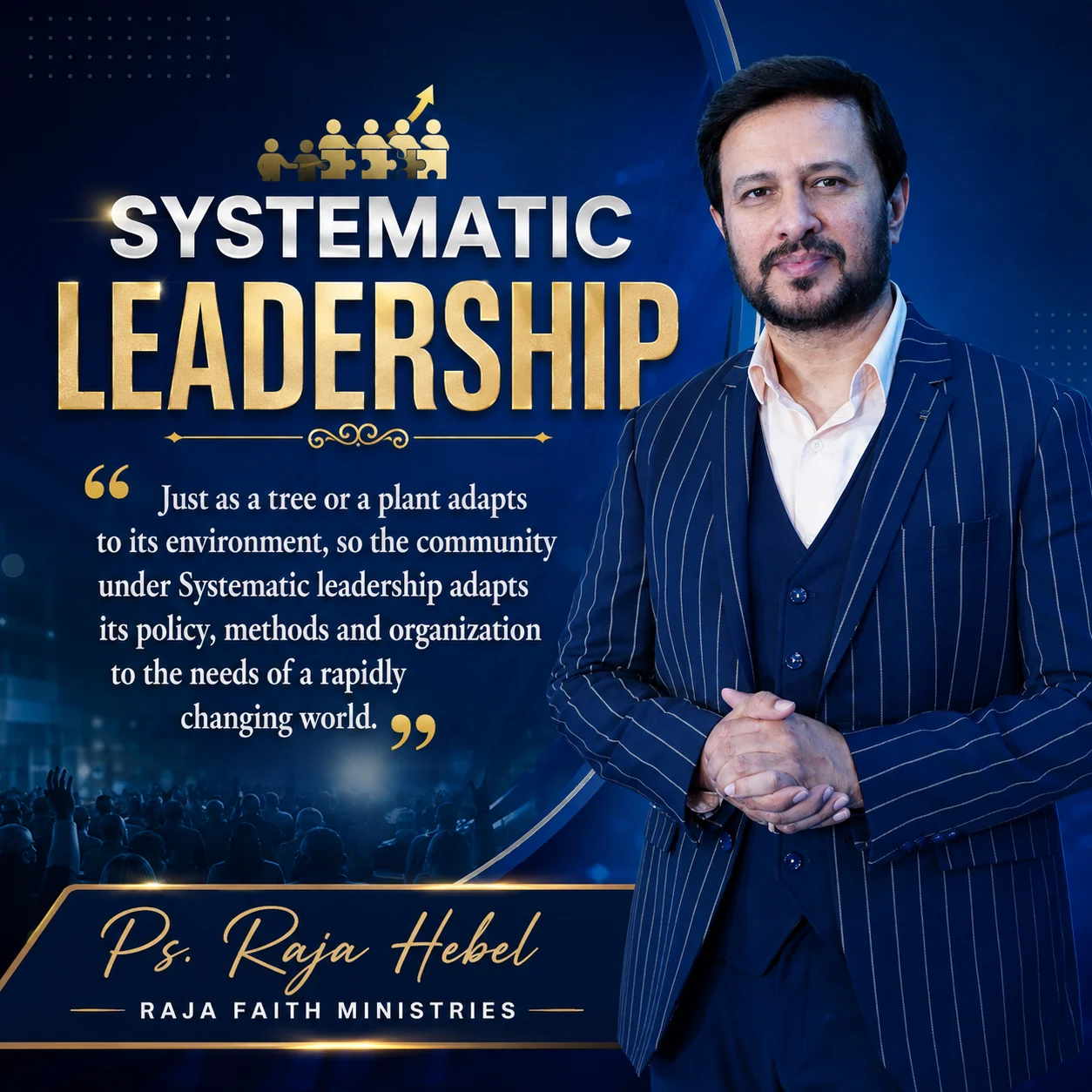
Systematic Leadership

The word Systematic describes a system made up of many constituent parts which together become greater than the sum of those individual parts. Systematic leadership provides a framework that connects groups together with a common vision, purpose and direction.

Just as a plant naturally grows toward the source of light, or a tree spreads its roots wider in rocky soil for stability, a community under systematic leadership continually adapts its methods, policies and organization to meet the demands of a changing world while remaining firmly rooted in its identity and faith.

Leadership has often been described as an elusive and dynamic quality that ultimately comes from God. Nevertheless, leadership abilities can also be cultivated, strengthened and developed through learning, experience and faithful service.

Natural leadership and spiritual leadership share many common characteristics, although there are times when they differ significantly. Church history reminds us that when believers fully surrender themselves to God, the Holy Spirit often releases gifts and qualities that greatly increase their leadership potential.

It is the sovereign work of the Holy Spirit to bestow spiritual gifts that equip leaders for effective ministry and enable them to guide God's people with wisdom, humility and vision.